

In life, we speak of bridges long before we ever think of steel or concrete.
“We say, don’t burn bridges, you might need them again.”
“We say, someone helped me cross from one stage of life to another.”
And almost instinctively, we remember these bridges.
They are people, moments, and places that carried us through uncertainty, when we were no longer who we used to be, but not yet who we were becoming. We hold onto them because they meant something. They were not just paths, they were experiences. They shaped us.
If you pause for a moment and think about where you came from and where you are now, there is always a bridge in between. Something, or someone, that made that crossing possible. And because of that, we attach memory to it. We respect it. We remember it.
But when it comes to physical bridges, something changes.
Bridges in the built environment are often reduced to pure function. They are designed to solve a problem: how to get from one side to another. Engineering answers this with precision, ensuring strength, stability, and efficiency.
And yet, despite serving the same purpose as the bridges in our lives, many physical bridges leave no memory behind.
You cross them, and moments later, they are gone from your mind.
Take the crossing at the Katonga River before this new construction that is ongoing. If no one told you that you have reached it, you would pass without knowing. You would find yourself asking, have we reached Katonga yet? The bridge works, it carries you across,but it does not stay with you. The crossing is completed, but the experience is empty.
Now think of the new bridge at Jinja over the River Nile.
It does something different.
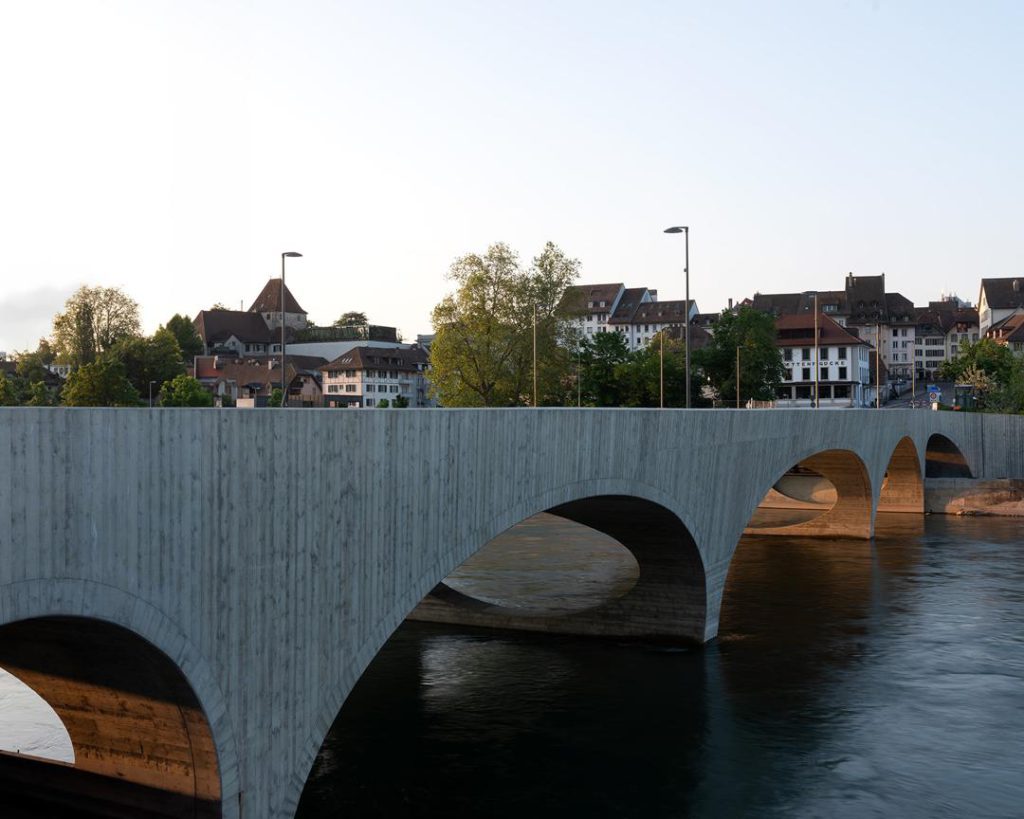
It announces itself. It creates anticipation. People slow down, look, take pictures. Even those who know nothing about engineering feel its presence. To say I have been to Jinja is often to show that bridge. It becomes memory. It becomes identity.
The difference is not in crossing, but in meaning.

John Aturinde
And even standing where the Nile bends and remembers, i place two bridges in a single frame,one old, one new,and I wonder quietly:
“Which one do you feel yourself drawn to?”
Not just as concrete and steel, but as memory and becoming.
This is where architecture comes in.
Architecture, in this context, is the shaping of experience. It is what transforms a bridge from a silent structure into a memorable moment. It considers how you approach, how you move across, and how you arrive. It makes you aware that you are leaving something behind and stepping into something new.
“Without architecture, a bridge is used.
With architecture, a bridge is remembered.”
It becomes a handshake between places.
It tells you:
You are leaving.
You are arriving.
This crossing matters.
A bridge does not just take you to Jinja, it defines what it feels like to get there.
And perhaps that is the lesson we already understand from life:
we do not remember the crossings that carried us without meaning,
we remember the ones that changed us.
To design a bridge without architecture is to complete the function, but lose the story.
To include it is to give the crossing a memory.